
Cross-Cultural Evaluation of LLMs
Role: Lead author (in collaboration with Jialing Wu and Yingyu Cheng)
Advisor: Prof. Sachin Kumar
Code: View on GitHub
Status: In Preparation (Targeting Feb 2026 Submission)
Project Overview
LLMs excel at literal translation, but do they understand cultural context? In this project, we evaluated the performance of selected models on translating Chinese movie titles, which are dense with cultural idioms. We tested 3 prompting strategies: Title-only, Title + Synopsis, and Culture-aware.
1. Quantitative Analysis
We measured performance using 4 metrics (Cosine Similarity, BERTScore, BLEURT, and our custom CSI-Match) as shown below.
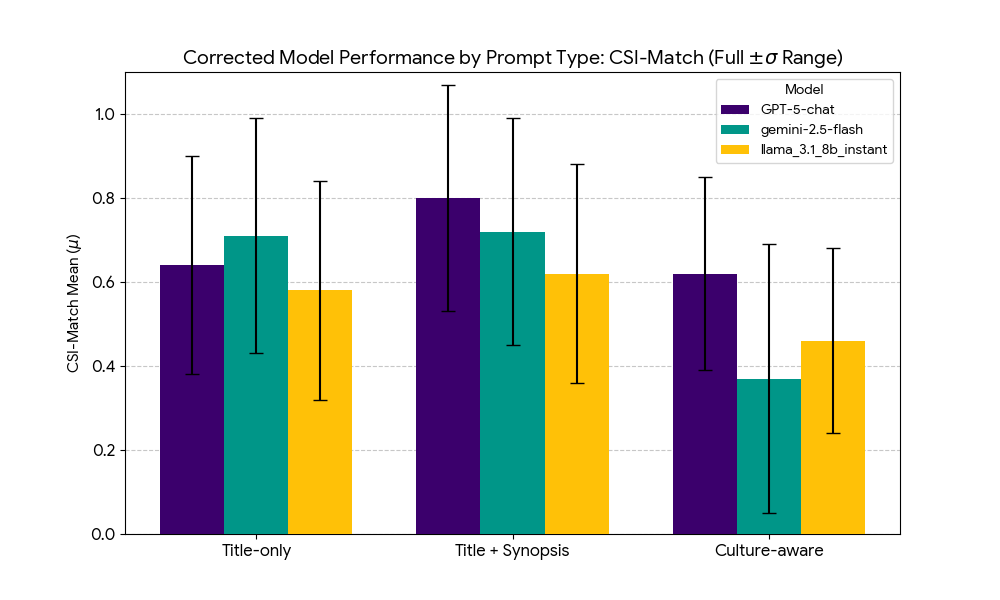
Fig 1: CSI-Match Performance (Cultural Accuracy)
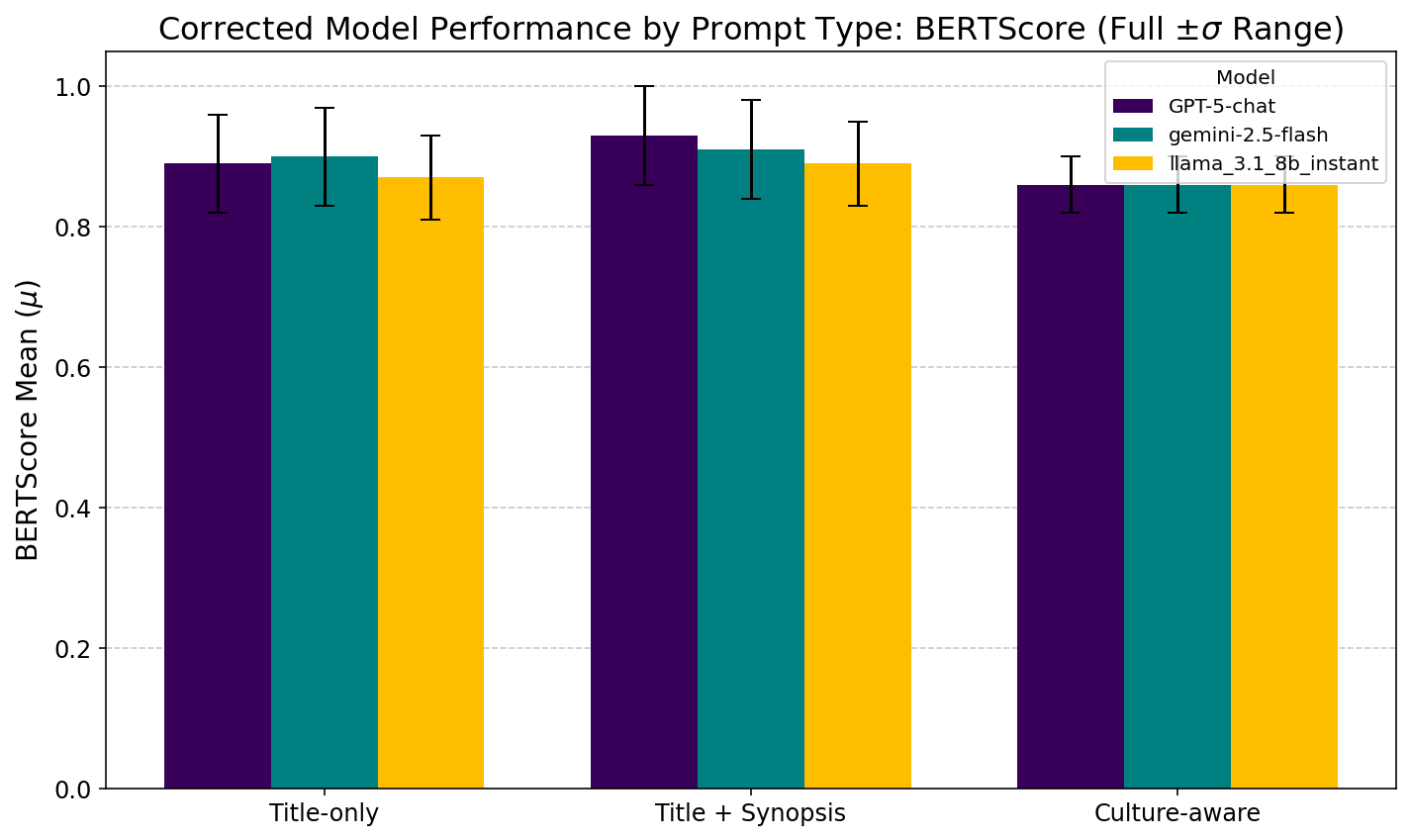
Fig 2: BERTScore Performance (General Semantics)
2. Qualitative Analysis: Adaptation Strategies
We categorized every translation output into 4 strategies. The distribution below shows a heavy bias toward literal translation.
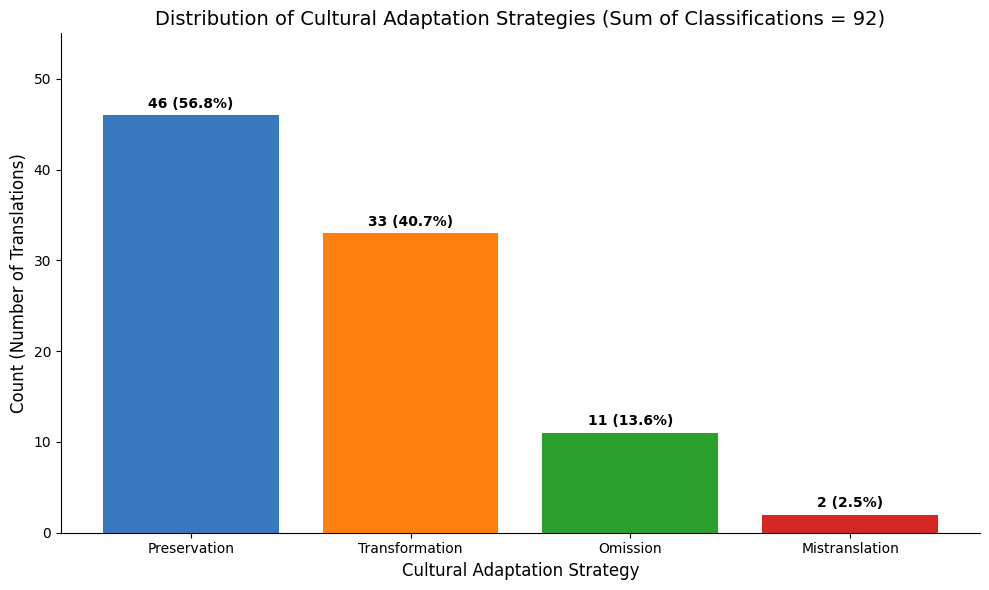
Fig 3: Distribution of adaptation strategies (GPT-4 with Synopsis)
Key Findings
Context Unlocks Cultural Reasoning: Quantitative analysis revealed a massive performance gap between prompt types. Providing a synopsis alongside the title significantly increased the model’s ability to handle cultural items (CSI-Match rose from 0.64 to 0.80). Without context, models often hallucinated culturally plausible but incorrect meanings.
The “Safe” Literalism Bias: As shown in Fig 3, models overwhelmingly favor Preservation (56.8% of cases), defaulting to literal translations. While effective for simple titles, this strategy fails for idioms.
- Example: GPT translated 《卧虎藏龙》as Crouching Tiger, Hidden Dragon literally, missing the underlying idiom about “undiscovered talent”.
- Success: However, when prompted with context, GPT successfully transformed 《天涯明月刀》(literal “Heaven’s Edge, Bright Moon, Blade”) into The Magic Blade to match “Wuxia theme” as the “heroic” genre tropes rather than using a stiff literal translation.
Technical Stack
- Models: GPT-4, Llama 2, Gemini-2.5